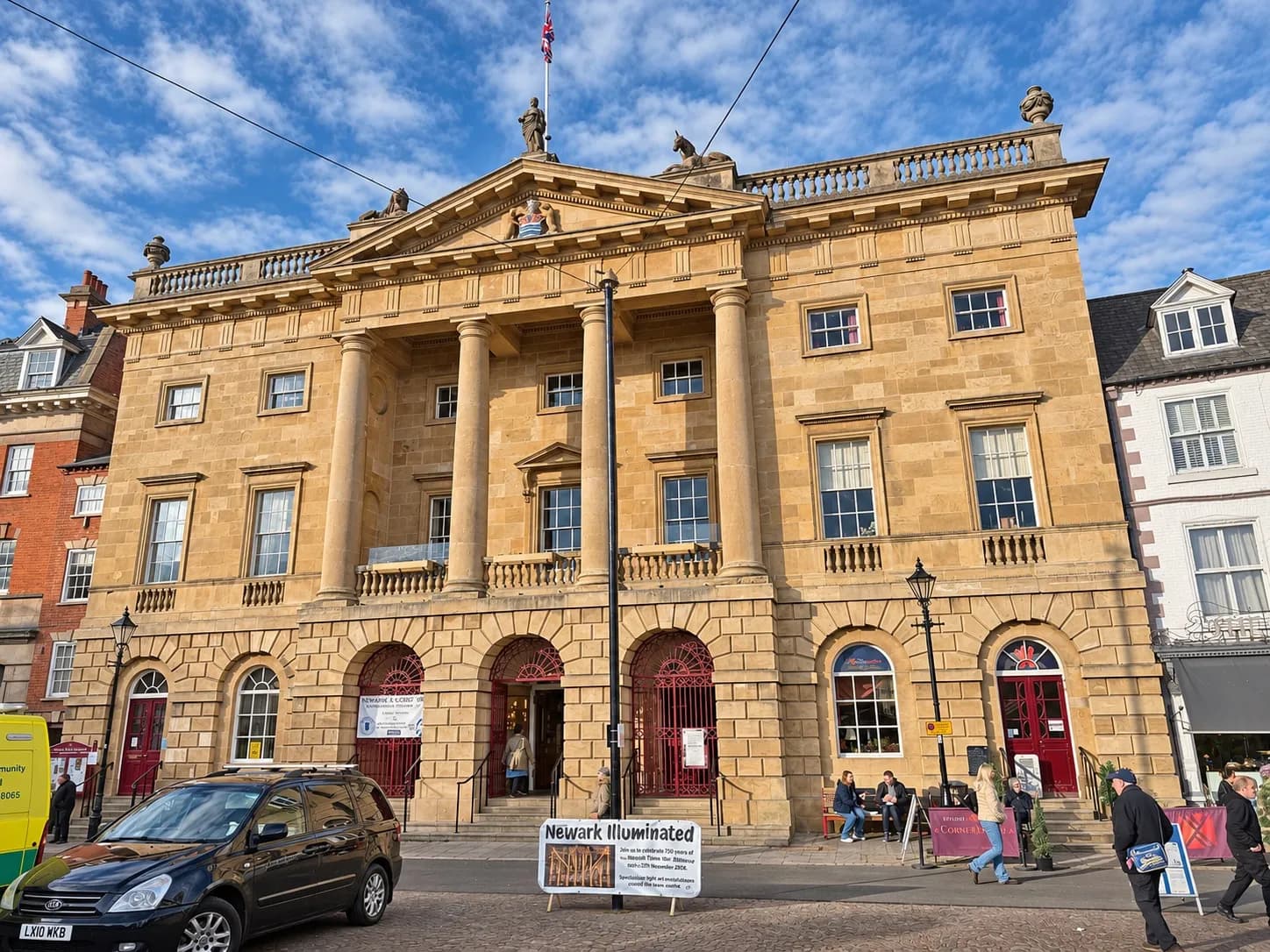
Newark had been on my list for a while, and its Winter Beer & Cider Festival gave me the perfect excuse for a day exploring.
I started on Kirk Gate at the Real Ale Store, an independent shop that has been part of the town since 2010. With shelves packed full of bottles, cans and beer memorabilia, it was an enjoyable little stop before making my way towards the Market Place.
The festival was being held inside Newark’s magnificent Georgian Town Hall, and what a setting it was! Designed by John Carr of York and completed in 1776, the Grade I listed building has an impressive ballroom, complete with tall columns, an ornate ceiling and a grand chandelier.
With around 50 beers and 20 ciders available, there was plenty to choose from. I also enjoyed meeting festival organiser Sam, Newark CAMRA Secretary Carolyn and several people who follow my blog. It was a lovely atmosphere and a brilliant start to the day.
Newark itself has a fascinating history. The town grew around an important crossing of the River Trent, and its twelfth-century castle is a reminder of just how important it once was. King John died there in 1216, while during the English Civil War, Newark remained a Royalist stronghold through three sieges before finally surrendering in 1646. Walking around the town, it’s amazing how much of that history is still there to discover.
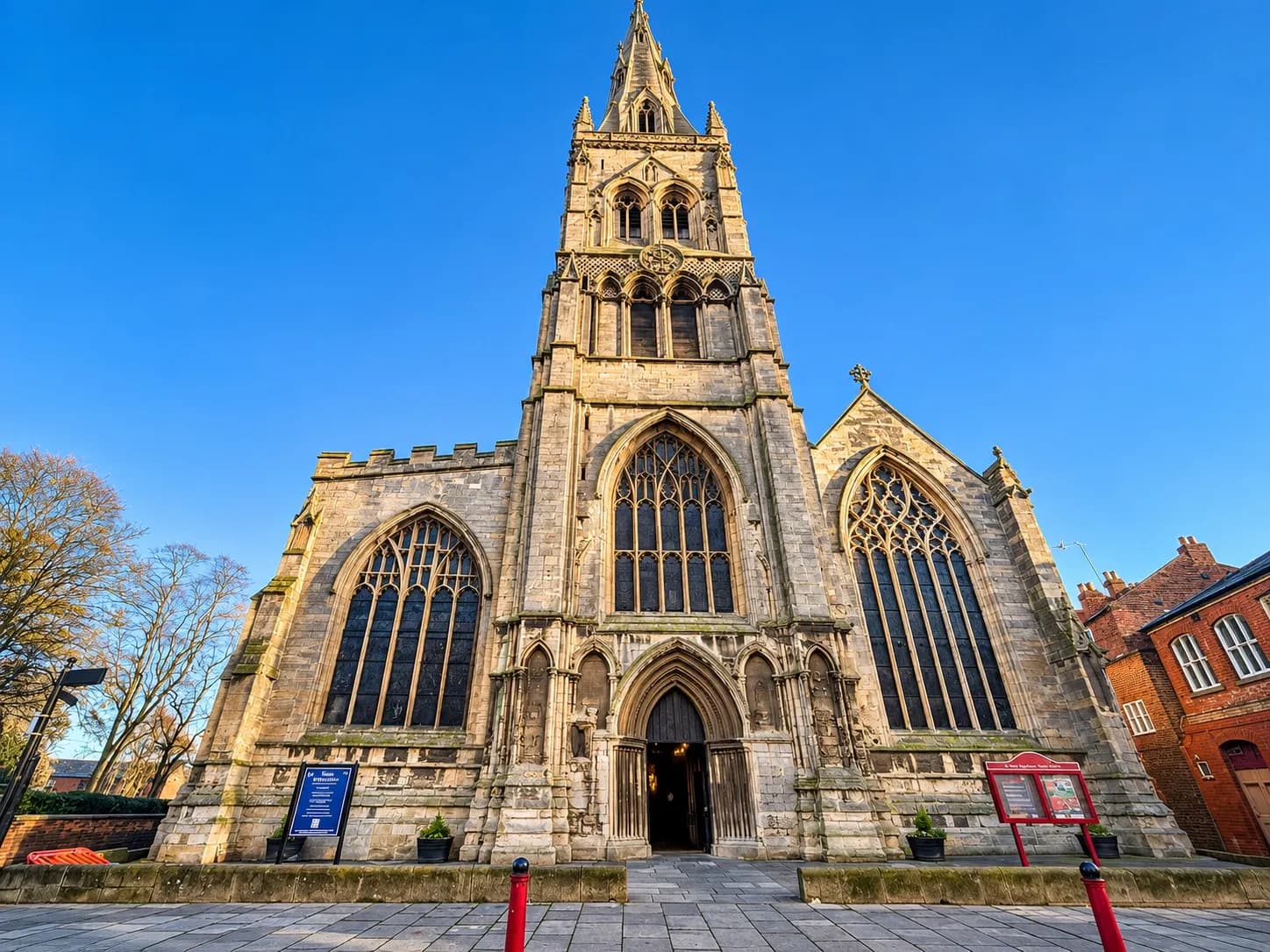
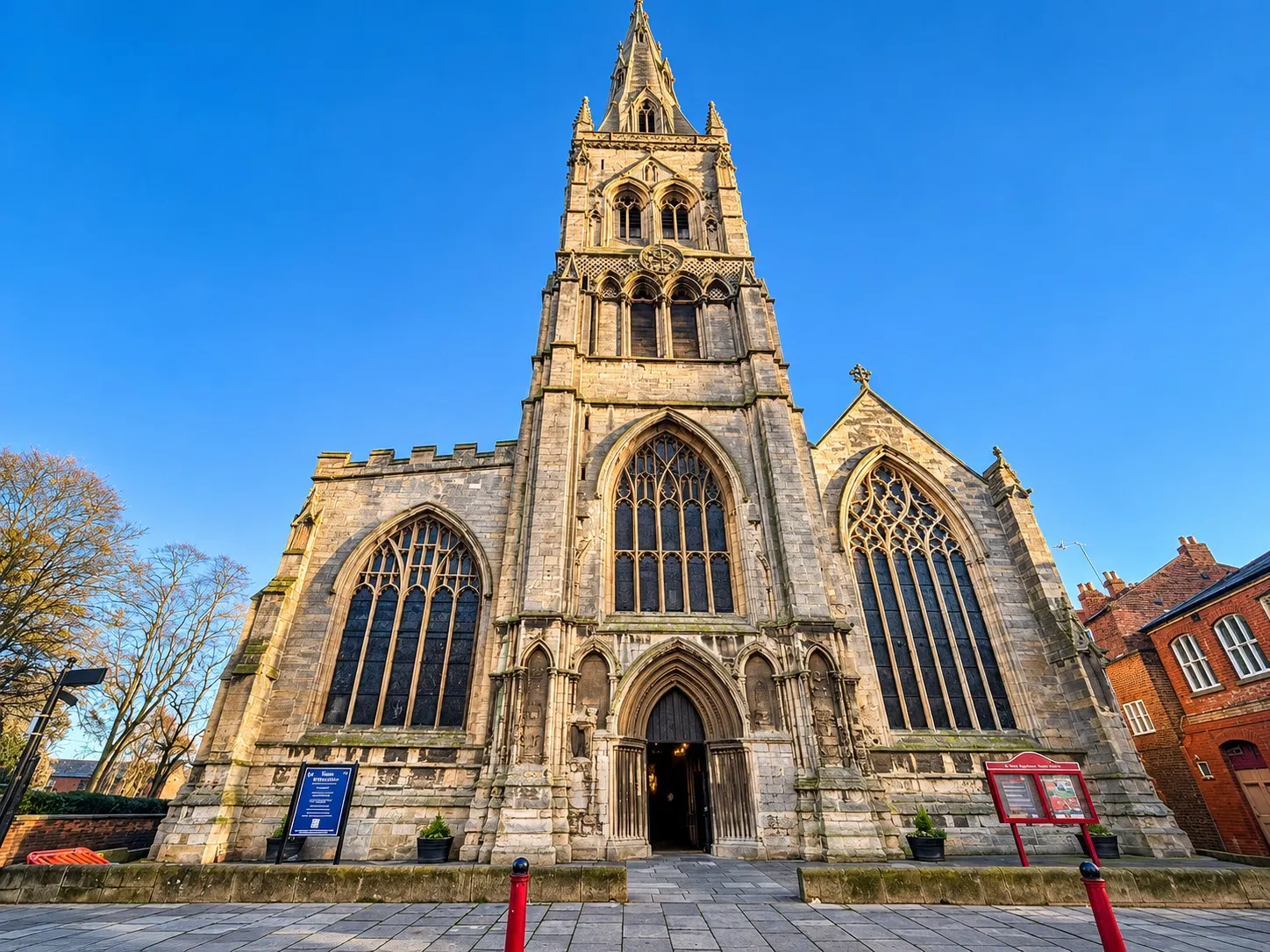
Just off Market Place stands the beautiful Old White Hart Inn, with its timber-framed frontage dating back to the fifteenth century. Nearby, St Mary Magdalene’s Church is another impressive sight, with its magnificent spire rising around 232 feet above the town. There are interesting buildings everywhere, from the old Corn Exchange to the unusual Ossington Coffee Palace, which opened in 1882 as an alternative to drinking in pubs. Newark really is a lovely place to explore on foot.
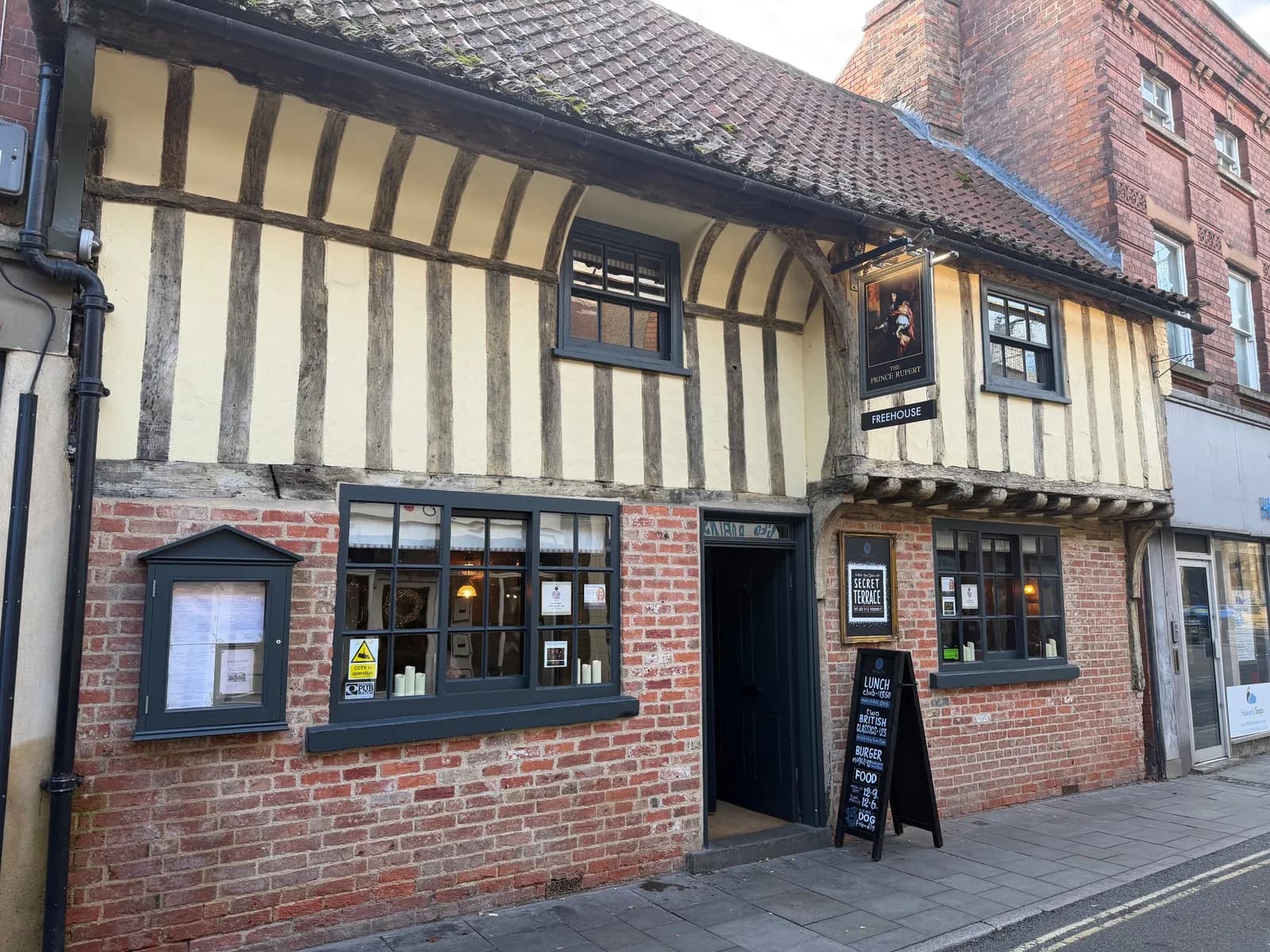
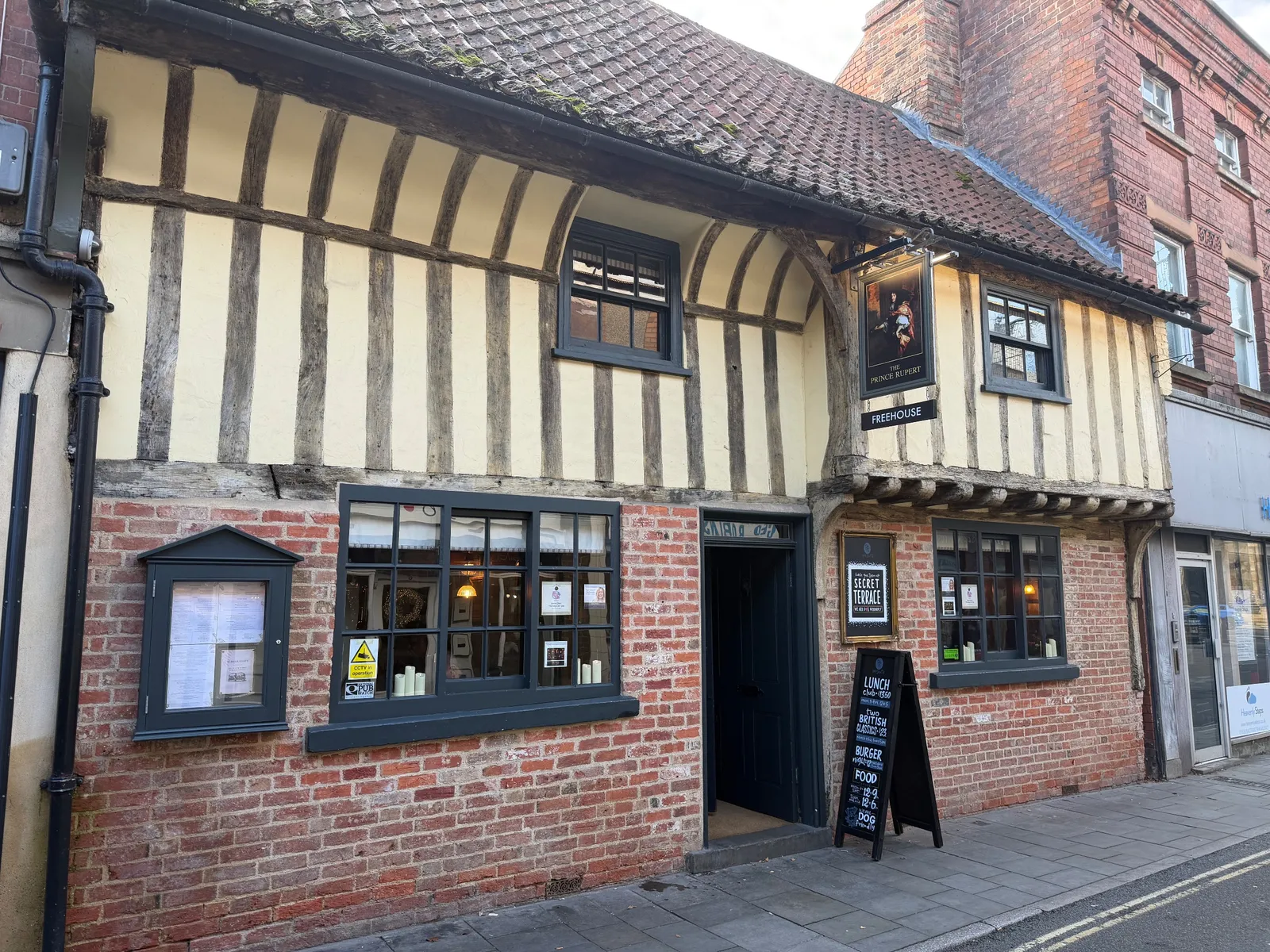
After the festival, it was time to discover some of the pubs. The Loose Cannon on Stodman Street was my first stop, a colourful and quirky place that opened in 2023 in a former dry cleaners. Just along the street, the Prince Rupert couldn’t have been more different. Parts of this wonderful timber-framed building date back to around 1452, and inside you’ll find old beams, cosy rooms and a lovely courtyard. It’s one of those pubs where you can almost feel the history around you.
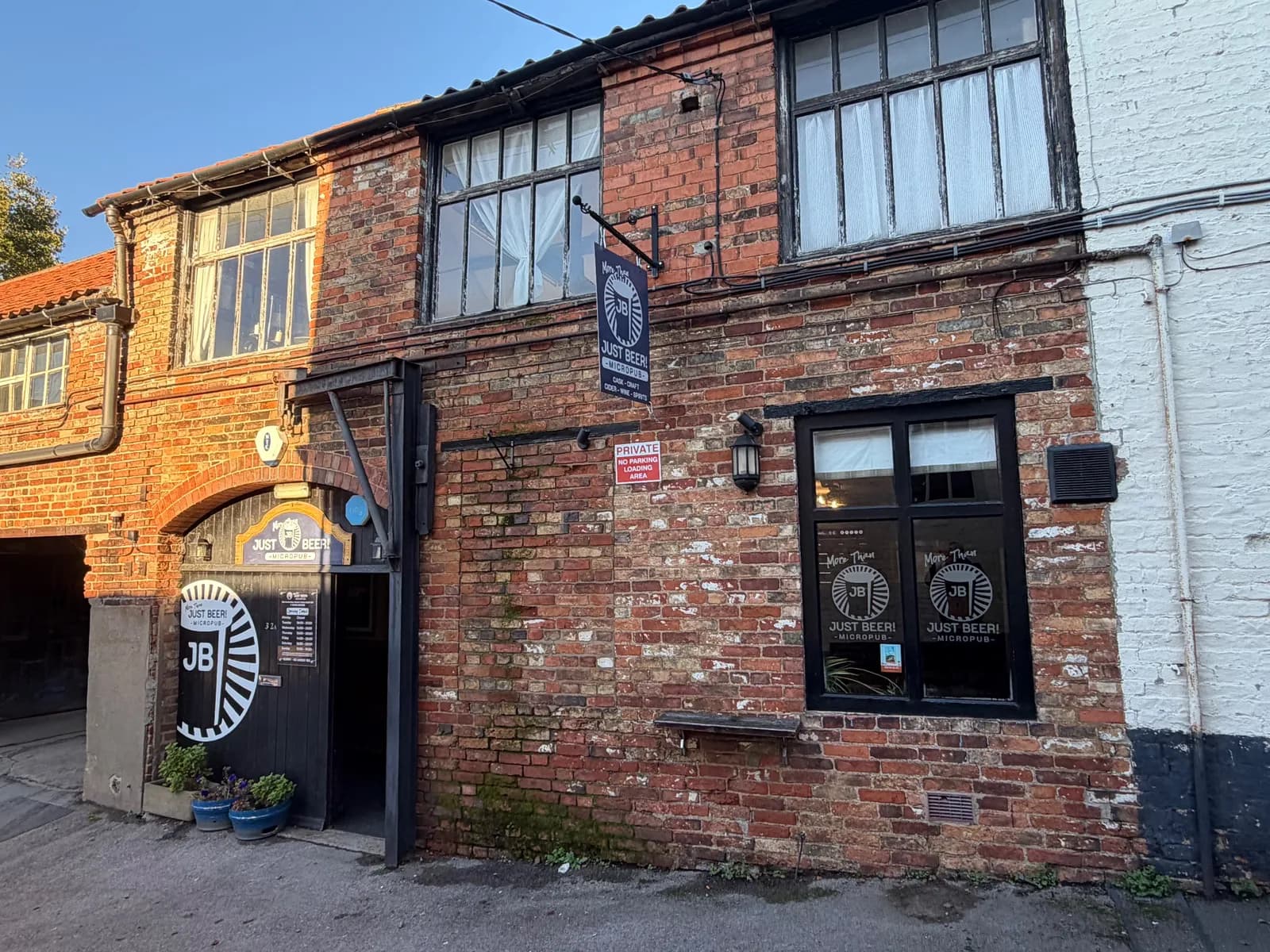
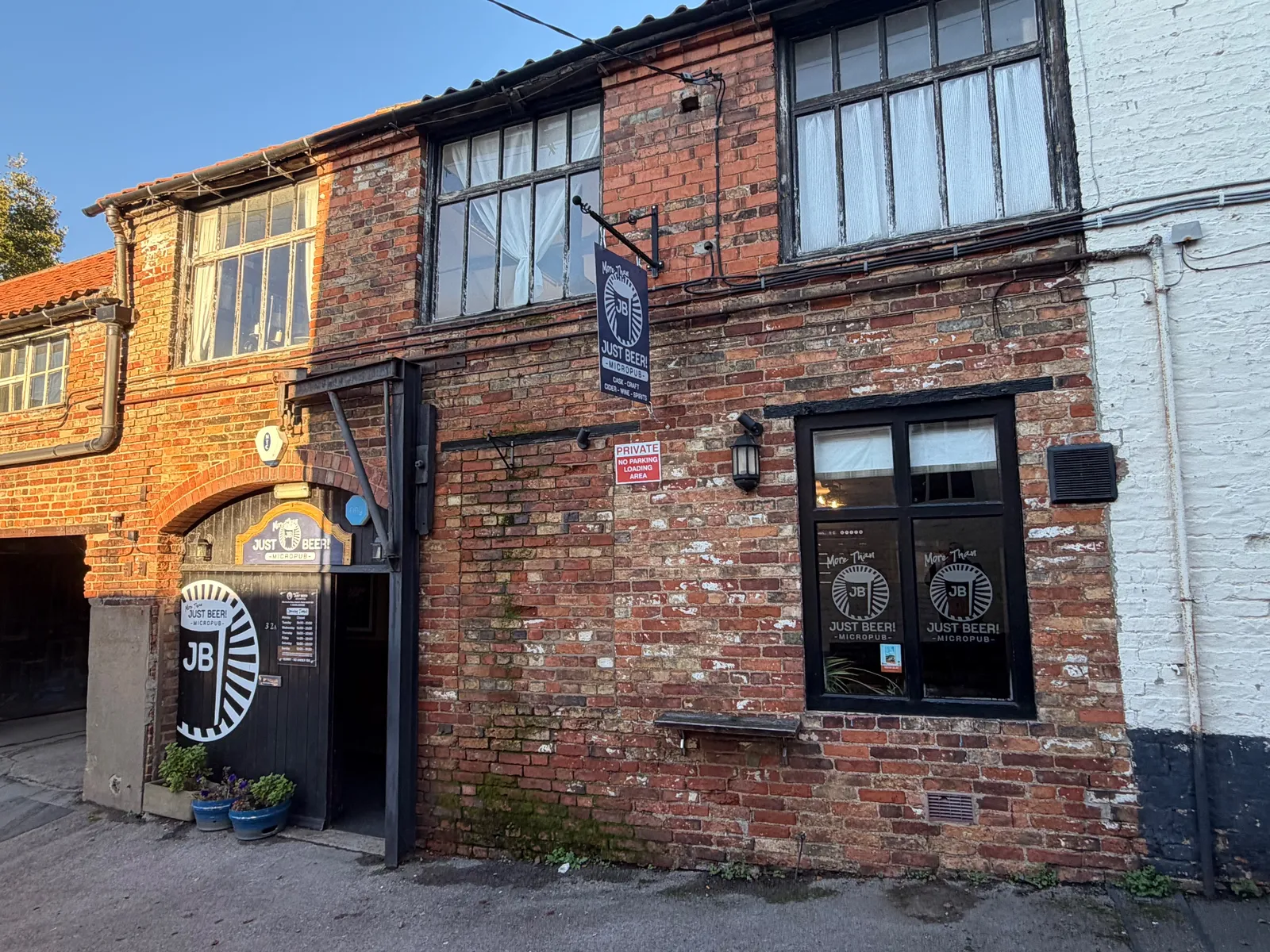
Next came the Flying Circus, a wonderfully characterful pub with colourful decorations, music memorabilia and plenty of interesting things to look at. Not far away was Just Beer, tucked down Swan & Salmon Yard. Opening in August 2010, it was one of the country’s earliest micropubs and helped establish a movement that has since spread across Britain. It’s a small, welcoming place with exposed brickwork, wooden seating and a relaxed atmosphere. As someone who loves discovering micropubs, it was particularly nice to visit one with such an important history.
Down by the River Trent, Newark has a completely different feel. The Swan & Salmon sits beside the town lock, while the Navigation occupies part of an old wharf and warehouse complex dating back to 1870. With exposed brickwork, wooden beams and plenty of riverside character, it’s a lovely reminder of Newark’s industrial past. I also caught up with Dan from Find Me in the Pub and his brother Ash while visiting the Navigation, which made the afternoon even more enjoyable.
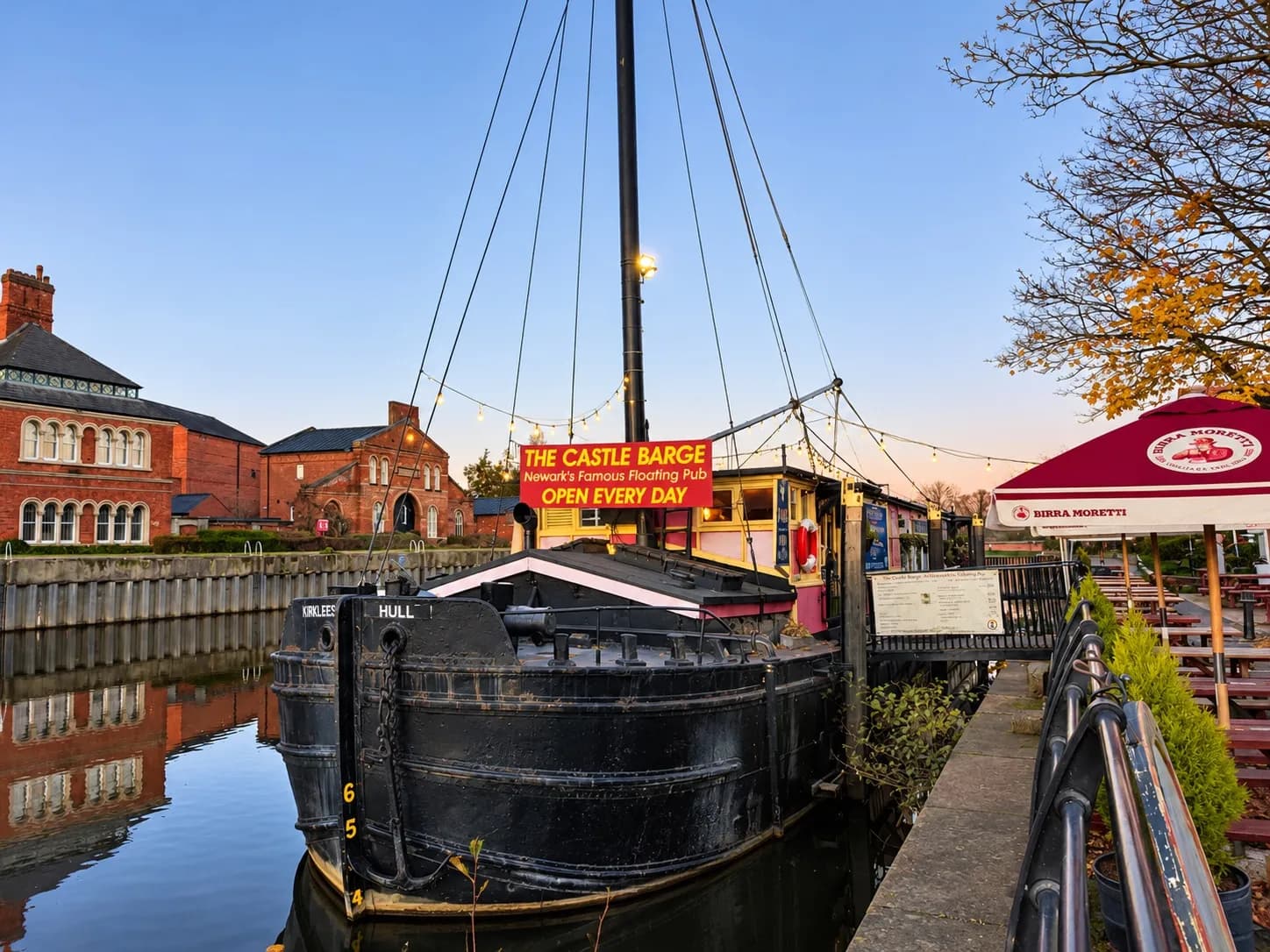
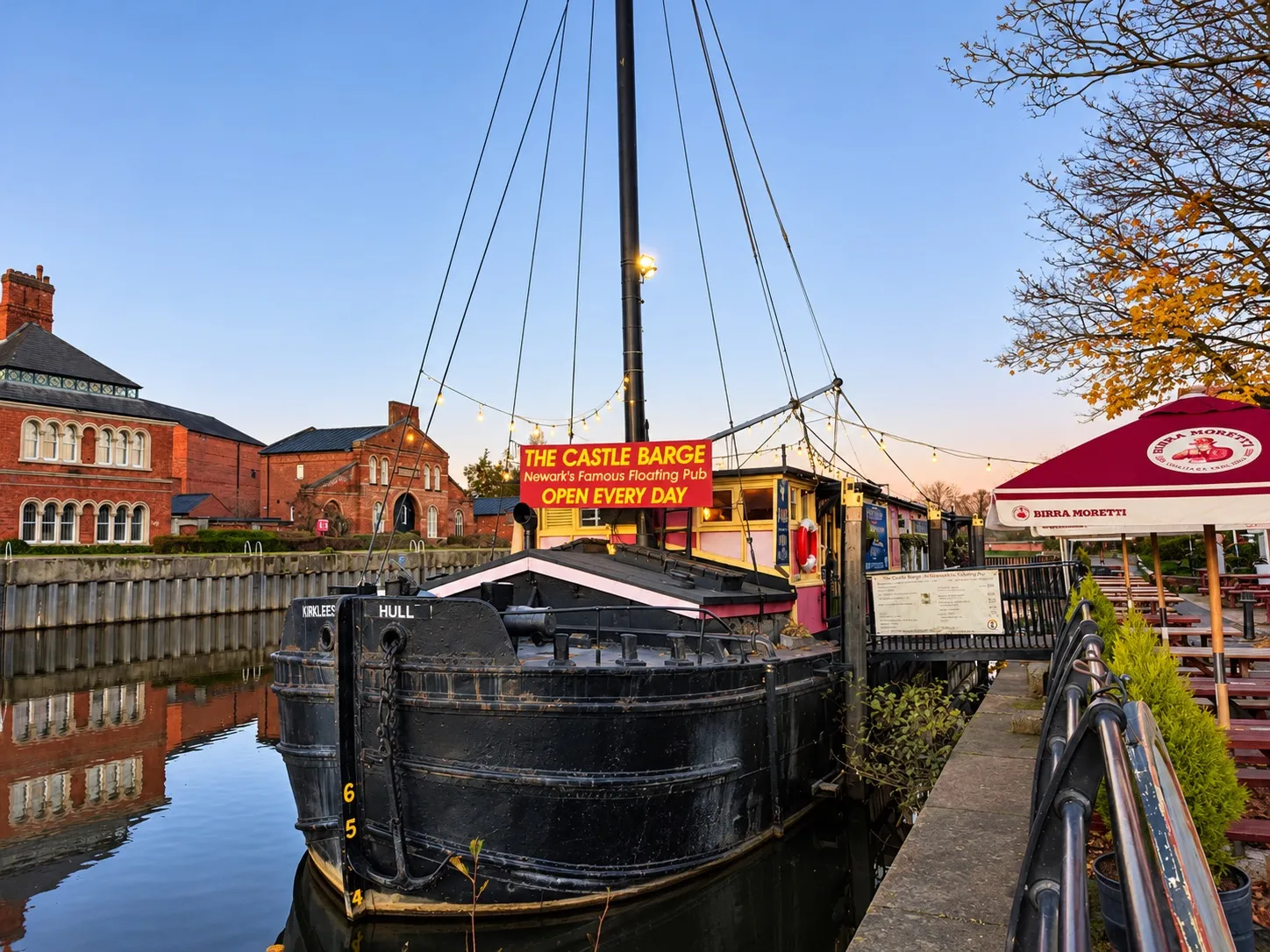
One of the most unusual stops was the Castle Barge, a floating pub moored near Newark Castle. Originally used to transport grain along the River Trent, the old working vessel was converted into a pub in 1980. Inside, you’ll find wooden panelling, cosy seating and all sorts of nautical decorations. Sitting aboard an old barge with views towards the castle certainly makes a change from the usual pub visit!
As the afternoon turned into evening, I continued exploring. The Organ Grinder on Portland Street had a lovely traditional atmosphere, while Oscar’s Inn on Balderton Gate offered another welcoming stop, with bookshelves, cosy seating and some quirky decorations. Along the way, I also passed the Palace Theatre, which opened as a cinema in 1920, and several other historic buildings that help give Newark its character.
My final pub was the Fox & Crown on Appleton Gate, a traditional local with several cosy rooms and a friendly atmosphere. I met Jo, another Jo and Pete here, which was a lovely way to finish the day.
Looking back, Newark offered everything I enjoy about these adventures: fascinating history, independent businesses, characterful pubs and some genuinely lovely people. Whether you’re interested in old buildings, riverside walks or discovering somewhere new for a drink, Newark is well worth exploring. I’ll certainly be back!
About the Author
Scott Spencer is the creator of Micropub Adventures, exploring independent pubs, micropubs, brewery taps and the fascinating history of towns and cities across the UK.
For more pub adventures, local history and photographs, visit www.micropubadventures.co.uk